Healthy Meals & Family Nutrition

Nourishing growing bodies, brains & hearts

At PreSchool Prep, meals are made fresh in our home kitchen and served together at the table. We offer up to seven meals and snacks a day, plan every menu to food-program nutrition standards, and partner with each family — whether your baby is breastfed, formula-fed or just starting solids.

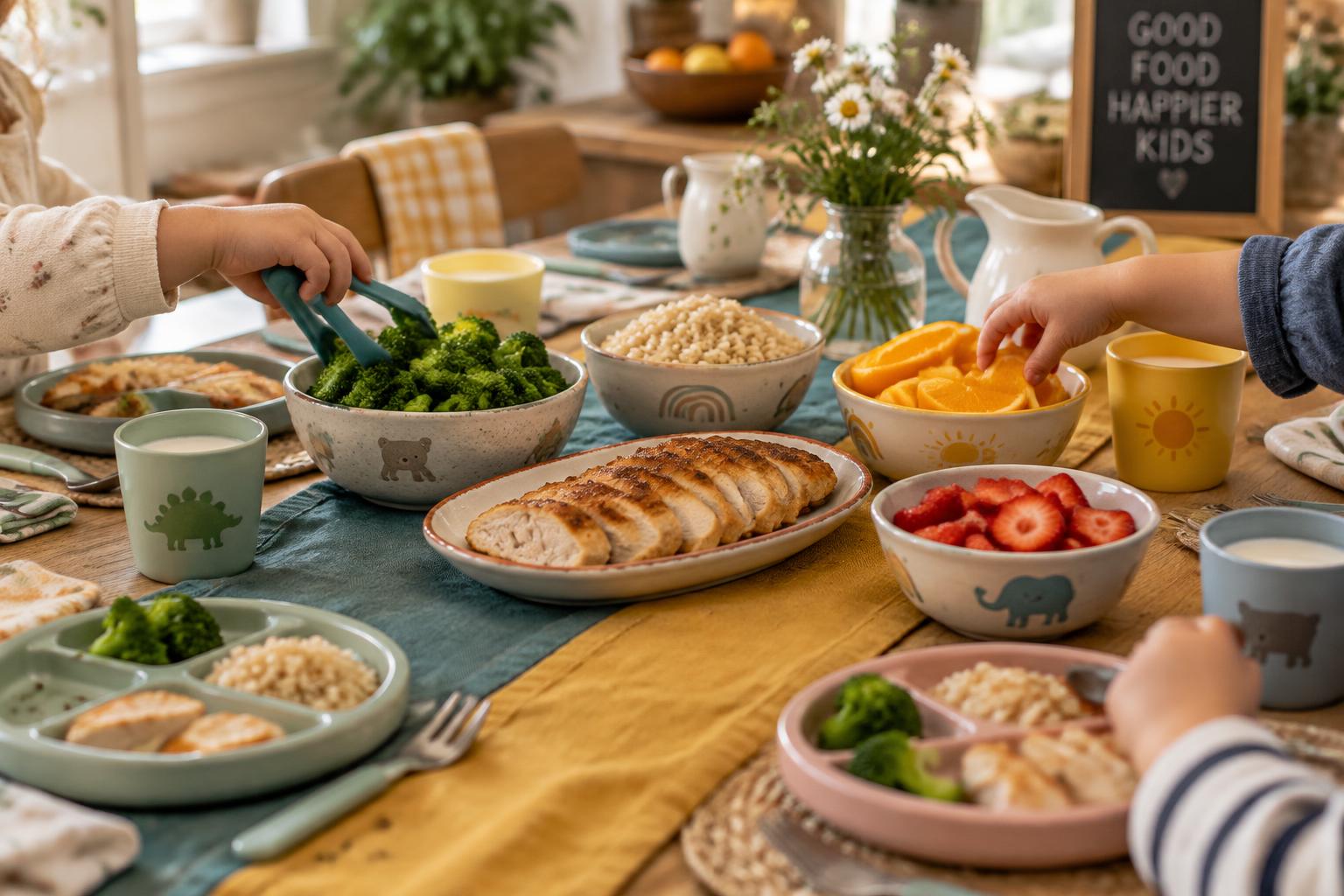
Children serving themselves broccoli, chicken, rice and fruit at a family-style table

Why it matters

Why Early Nutrition Matters

Balanced, home-cooked nutrition is one of the most powerful gifts we can give young children. What they eat today fuels how they grow, learn and feel.

Brain growth

The first five years are the fastest brain-building years of life. Iron, healthy fats, protein and B-vitamins fuel memory, language and problem-solving.

Stronger immunity

Colorful fruits and vegetables, whole grains and dairy supply vitamins A, C, D and zinc that help little bodies fight off everyday germs.

Focus & steady energy

Regular, balanced meals and snacks keep blood sugar steady, so children can play, learn and settle for naps without crashes.

Lifelong healthy habits

Children who taste a wide variety of real, home-cooked foods early are more open to new foods and healthier choices as they grow.

Family-Style Dining

We eat together, at the table

Meals at PreSchool Prep are served family-style. Food is placed on the table in child-size bowls, and children pass dishes, use small serving utensils and choose how much to take — with gentle help from their teacher.

  • Independence — serving themselves, pouring and cleaning up their own spot.
  • Social skills — passing, sharing, waiting a turn and table conversation.
  • Table manners — please and thank you, napkins, and trying a “no thank you” bite.
  • Portion awareness — learning to listen to hunger and fullness cues.

Our educators sit and eat with the children, modeling positive, pressure-free eating habits and making mealtime a warm, social part of the day.

Balanced Plate guide

Balanced plate: vegetables and grains each about 30%, protein and fruits each about 20%, with a cup of dairy on the side.VegetablesGrainsProteinFruitsDairy
  • Vegetables: Fill half the plate with vegetables and fruit — think broccoli, carrots, peas, sweet potato and leafy greens.
  • Grains: Choose whole grains most of the time: oatmeal, brown rice, whole-wheat bread, pasta and tortillas.
  • Protein: Lean meats, fish, eggs, beans, lentils and cheese build muscles and supply iron.
  • Fruits: Whole fruit over juice — berries, bananas, oranges and melon, cut to safe sizes.
  • Dairy / Alternatives: Milk, yogurt and cheese — or fortified soy — for calcium and vitamin D.

Seven meals a day

Sample 1-Week Healthy Menu

Breakfast, AM Snack, Lunch, PM Snack, Late Snack, Dinner and Bedtime Snack — each built from the food groups required by food-program meal patterns. While PreSchool Prep is not on a state food program, we independently craft fresh menus to those same standards.

Enrolled families see each week’s actual menu in the Parent Corner and their Parent Portal.

For our littlest learners

Breastfeeding Support & Infant Nutrition

Our Breastfeeding-Friendly Childcare Pledge

PreSchool Prep proudly and actively supports breastfeeding families. We welcome expressed breast milk — safely stored, clearly labeled with your child’s name and date, and gently warmed to food-program standards — and we welcome mothers who wish to nurse on-site during drop-off, breaks or pick-up, in a calm, comfortable spot.

Immune antibodies

Breast milk carries antibodies that help protect babies from ear infections, colds and tummy bugs.

Digestive enzymes

Natural enzymes and probiotics make breast milk gentle and easy for a baby’s growing gut to digest.

Brain-building nutrients

DHA, choline and other nutrients shift with your baby’s needs to support brain and eye development.

Infant Formula & Alternative Milk Nutrition Guide

Every family’s feeding journey is different, and every baby deserves to thrive. Here is a judgment-free look at the nutrition each option provides.

Under 12 months

Iron-fortified cow’s milk & soy infant formulas

FDA-regulated, WIC-approved formulas — such as Enfamil and Similac, and plant-based soy formulas like Enfamil ProSobee or Similac Soy Isomil — are designed to be a baby’s complete nutrition:

  • • Complete protein for steady growth
  • • Iron to prevent anemia and support brain development
  • • DHA & ARA for brain and eye development
  • • Lactose-free soy options for gentle relief for sensitive tummies

12 months & older

Age-based milk transitions

  • 12–23 months: Whole milk. Essential healthy fats for rapid brain growth.
  • Age 2 and older: 2% reduced-fat milk. Still rich in protein, calcium and vitamin D, with less saturated fat.
  • Fortified soy milk & approved dairy alternatives. With doctor and parent approval, fortified soy milk offers complete plant protein, calcium and vitamin D for dairy-free or allergic children.

WIC-Aligned Solid Food Progression

We follow each baby’s readiness signs and your pediatrician’s guidance, introducing textures step by step.

  1. 1

    Around 6 months

    Iron-fortified single-grain infant cereal

    Mixed thin with breast milk or formula, plus smooth Stage 1 single-ingredient purées like peas, squash, apples and pears — one new food at a time.

  2. 2

    6–8 months

    Stage 1 → Stage 2 purées

    Thicker purées and simple blends (sweet potato & carrot, banana & oatmeal), plus puréed meats and beans for iron.

  3. 3

    8–10 months

    Stage 3 mashed & soft textures

    Mashed and soft-chunk foods, soft-cooked vegetables and fork-mashed fruits to build chewing skills.

  4. 4

    9–12 months

    Soft finger foods

    Small, soft pieces babies can pick up — ripe banana, avocado, well-cooked pasta, scrambled egg, shredded chicken and soft cheese.

This guide is general information, not medical advice. Please talk with your child’s pediatrician about feeding choices, allergies and when to start new foods.

Murrieta & Riverside County

Nourishing Your Family at Home

Every family goes through seasons when a little extra help makes a big difference. These local programs can help put fresh, nutritious meals on your table — no judgment, just support.

1

California WIC (Women, Infants & Children)

Monthly healthy food benefits — produce, whole grains, milk, eggs, infant formula and baby food — plus breastfeeding support and nutrition counseling for pregnant and postpartum parents and children under age 5.

  • Murrieta / Winchester area WIC

    37552 Winchester Rd, Murrieta, CA 92563

    (951) 600-1314
  • Lakeshore WIC

    2499 E. Lakeshore Dr. #B, Lake Elsinore, CA

    (800) 455-4942
3

Community Food Pantry of Murrieta (Community Outreach of Murrieta)

Free weekly nutritious groceries, fresh produce and household essentials for local families.

  • Community Food Pantry of Murrieta

    39493 Los Alamos Rd., Suite A, Murrieta, CA 92563

    Distribution Wed & Thu, 6:30–10:00 AM

    (951) 677-6347
4

Local Murrieta & Southwest Riverside Food Pantries & Dial 2-1-1

Neighborhood pantries close to home, plus 211 Riverside County — call or text 211 anytime for free, 24/7, confidential referrals to local food banks, utility help and family support.

  • Lighthouse Food Pantry

    38435 Innovation Ct. #101, Murrieta, CA

    Saturdays, 8–11 AM

    (951) 698-7633
  • Murrieta United Methodist Church Food Pantry

    24652 Adams Ave., Murrieta, CA

    Fridays, 8–9 AM

    (951) 677-6174
  • 211 Riverside County

    24/7 · call or text

    2-1-1

Questions about meals, allergies or your child’s feeding plan? Call us at (480) 579-9969. Hours and locations can change, so please call ahead.